

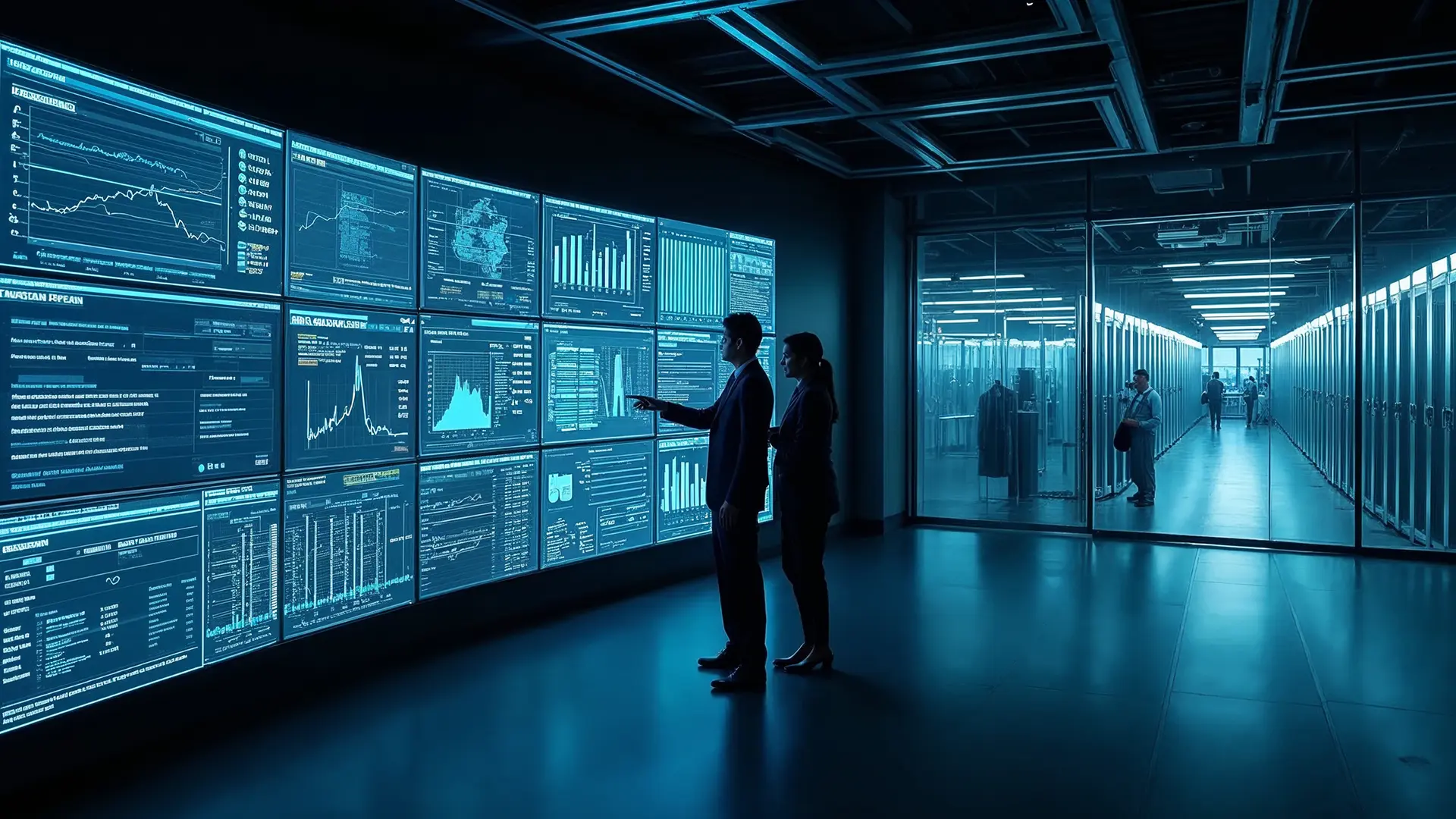
Getting systems up and running is often seen as the finish line. In reality, go-live is where the real challenge begins. Across data centres and critical facilities, long-term reliability depends not just on how systems are designed and installed, but how they are operated, monitored and maintained over time.
Understanding what keeps systems stable after go-live is key to avoiding performance issues, unplanned downtime and escalating operational risk.
Why reliability issues rarely start at failure
When systems fail, the cause is often traced to a specific component or event. But in most cases, the issue began much earlier.
Common underlying causes include:
- assumptions made during design that do not hold in real operations
- incomplete coordination between systems
- gaps in testing or commissioning
- operational practices that differ from intended design
These issues may not surface immediately. They develop over time and only become visible under stress.
The role of commissioning beyond handover
Commissioning is often treated as a milestone to complete before handover. In reality, it should be treated as a process that ensures systems are ready for live operation.
This includes:
- verifying system performance under real operating conditions
- validating how different systems interact
- ensuring monitoring and alarms function correctly
- confirming that operational teams understand system behaviour
When commissioning is treated as an objective, not a checklist, it reduces the risk of issues appearing later.
Operational visibility and monitoring
Once systems are live, visibility becomes critical. Without proper monitoring, systems may continue operating while:
- efficiency declines
- loads increase beyond intended limits
- early warning signs go unnoticed
Effective infrastructure includes:
- real-time monitoring of power and environmental conditions
- clear alarm thresholds and escalation paths
- accessible data for operational decision-making
Visibility allows teams to respond before problems escalate.
Maintenance is not just routine
Maintenance is often seen as a scheduled activity. But in critical environments, it plays a direct role in reliability.
This includes:
- preventive maintenance aligned with system usage
- condition-based checks rather than fixed intervals
- coordination across systems to avoid unintended disruption
Well-planned maintenance extends system lifespan and reduces operational risk.
Systems must be treated as a whole
One of the most common challenges after go-live is fragmentation. Power, cooling and supporting systems are sometimes managed independently, even though their performance is interconnected.
In practice:
- a change in load affects cooling requirements
- cooling inefficiencies impact system performance
- monitoring gaps in one system affect overall visibility
Reliability depends on treating infrastructure as a coordinated system, not isolated components.
Why this matters now
As facilities scale, systems become more complex and operate under higher demand. This makes post go-live reliability even more critical.
Across industries:
- data centres are supporting higher-density workloads
- manufacturing environments are becoming more automated
- energy efficiency expectations are increasing
In these conditions, small inefficiencies or gaps can quickly become larger operational issues.
Conclusion
Reliable systems are not defined by how they perform on day one. They are defined by how they continue to perform over time.
After go-live, long-term stability depends on commissioning quality, operational visibility, coordinated systems and disciplined maintenance. The difference between systems that remain stable and those that develop issues is often not visible at the start. But it becomes clear over time.

